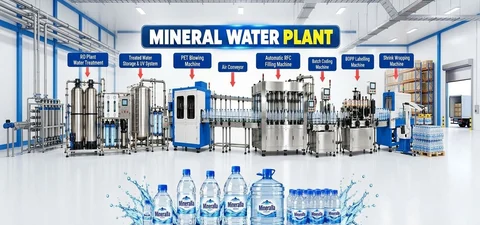
Setting up a commercial or industrial Reverse Osmosis (RO) unit is a precise engineering endeavor. Proper RO water filter system installation is essential to ensure high purification efficiency, prevent membrane damage, and avoid premature system wear. Here is a comprehensive, step-by-step guide to installing and commissioning your RO plant.
Before unboxing your machinery, ensure the installation area meets the structural requirements. The floor must be level and constructed of concrete capable of supporting the operating weight of the system (including water-filled vessels). You must secure reliable utilities: a raw water inlet with stable pressure, a drain system capable of handling high reject flow, and a properly grounded three-phase electrical supply.
An RO membrane is highly sensitive to suspended solids, chlorine, and hardness scale. Therefore, pre-treatment must be installed first:
RO membranes are shipped with a protective preservative solution and must be handled with clean hands or gloves:
Connect the high-pressure pump inlet to the pre-treated water feed line, and connect the pump outlet to the RO vessel inlet. Ensure reject (concentrate) and permeate (product) lines are piped to their respective destinations. Wire the high-pressure pump, feed pump, dosing pump, and automation control panel. Install essential monitoring sensors: inlet pressure switch, feed/reject pressure gauges, and flow meters for both permeate and reject lines.
Before producing drinking water, you must flush the system to remove preservative chemicals. Open the reject valve fully and start the system under low pressure. Run the system for 30 to 60 minutes, discharging all permeate and concentrate to the drain. Once flushed, slowly close the reject throttle valve to adjust the system to its design operating pressure and recovery rate. Monitor flow rates and check TDS levels to confirm the salt rejection rate exceeds 97%.
At Krupashindu, our technical service engineers handle everything from site assessment to commissioning, ensuring your RO water filter system installation is flawless. Contact us to discuss your purification requirements.
Leading Mineral Water Plant Manufacturer in India. Turnkey setup, machinery pricing, and BIS IS:14543 licensing.